
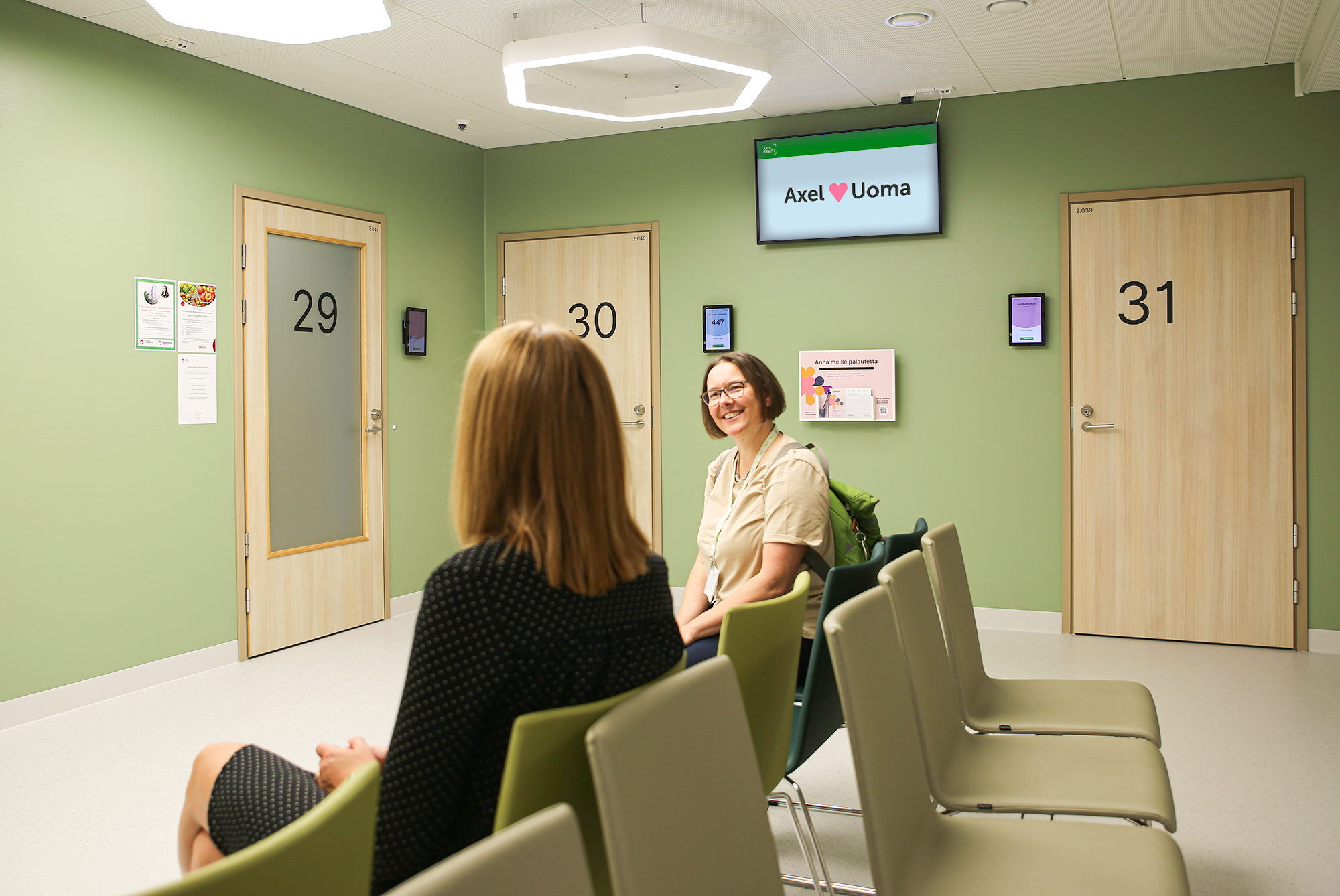
How did Axel Health and Unitary Healthcare join forces to streamline healthcare? The integration of the Uoma solution into the Axel product suite has provided healthcare professionals in Finland and Sweden with a seamless chain from healthcare planning to patient transfers. Learn how our integrated solutions remove information gaps and enhance patient safety across the entire care pathway.
2 minutes
A seamless solution for patient flow and patient transfer management
Topics: patient flow management Axel system patient experience healthcare service production digitalization in healthcare patient transfers Uoma Axel Encounter Axel Planner
2 minutes
How to reduce healthcare costs: 3 smart ways to save
.png)
How can healthcare organizations cut costs without compromising patient care? The answer lies in administrative automation and resource optimization. Axel Encounter's self-service solutions and effective patient flow management enable significant savings in support functions, facility costs, and financing fees. Discover three practical tips on how healthcare digitalization helps turn rising expenses into measurable savings.
Topics: patient flow management self-service Axel system healthcare resource planning digitalization in healthcare payment automation wellbeing services counties roi calculator cost savings Axel Encounter Axel Mobile Encounter Axel Planner room management resource optimization centralized planning
3 minutes
Procuring patient flow solutions: 7 tips for Swedish healthcare
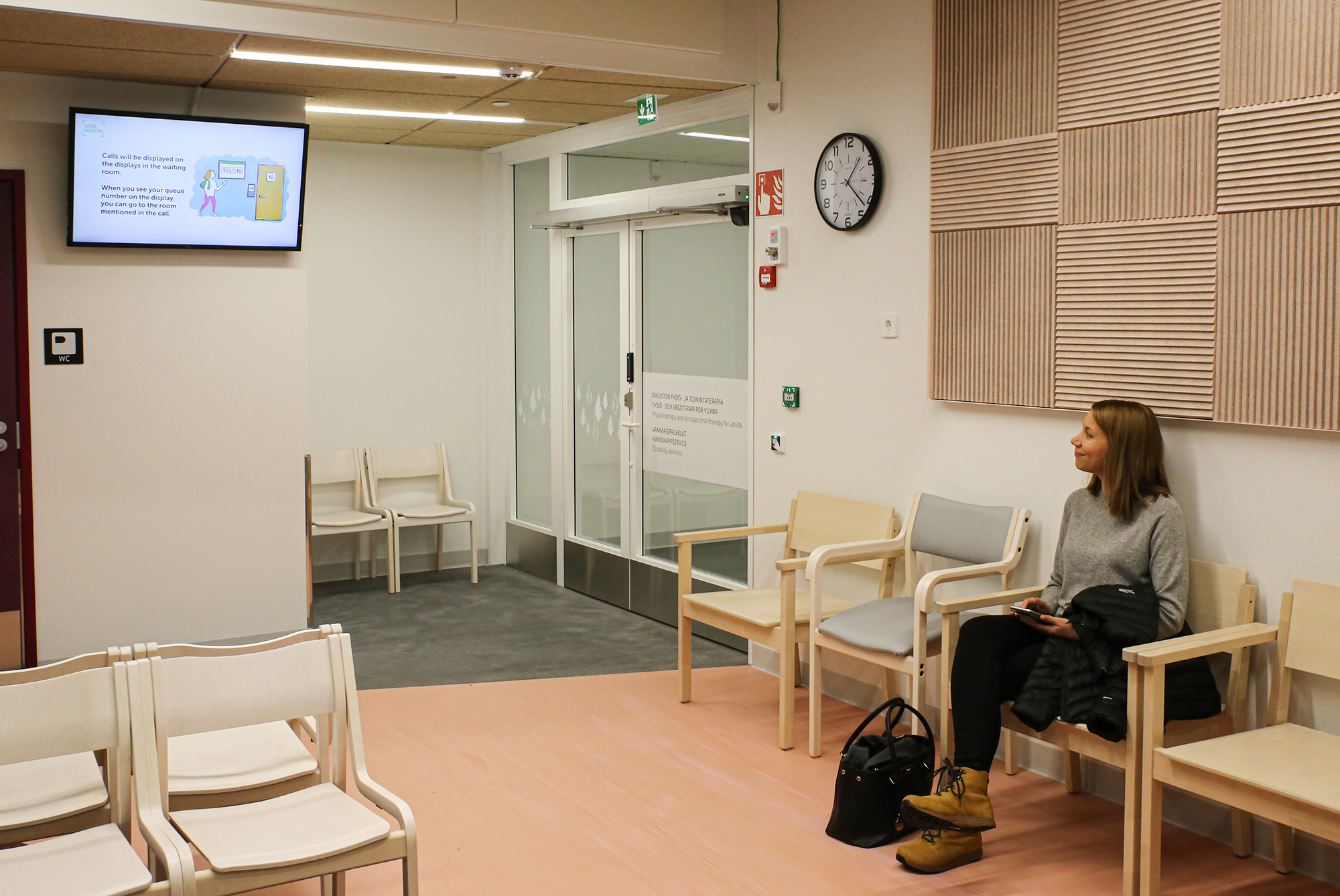
Are you procuring a new patient flow management system? Digitalization in healthcare demands platforms capable of navigating complex multi-EHR environments. This 7-step checklist guides your organization toward a solution that maximizes operational efficiency, ensures over 90% self-service rates, and creates a seamless patient journey across the entire ecosystem – from check-in to post-visit follow-up.
Topics: patient flow management Axel system resource management patient experience healthcare resource planning digitalization in healthcare self-service solution
3 minutes
Enhancing emergency operations through accurate reporting
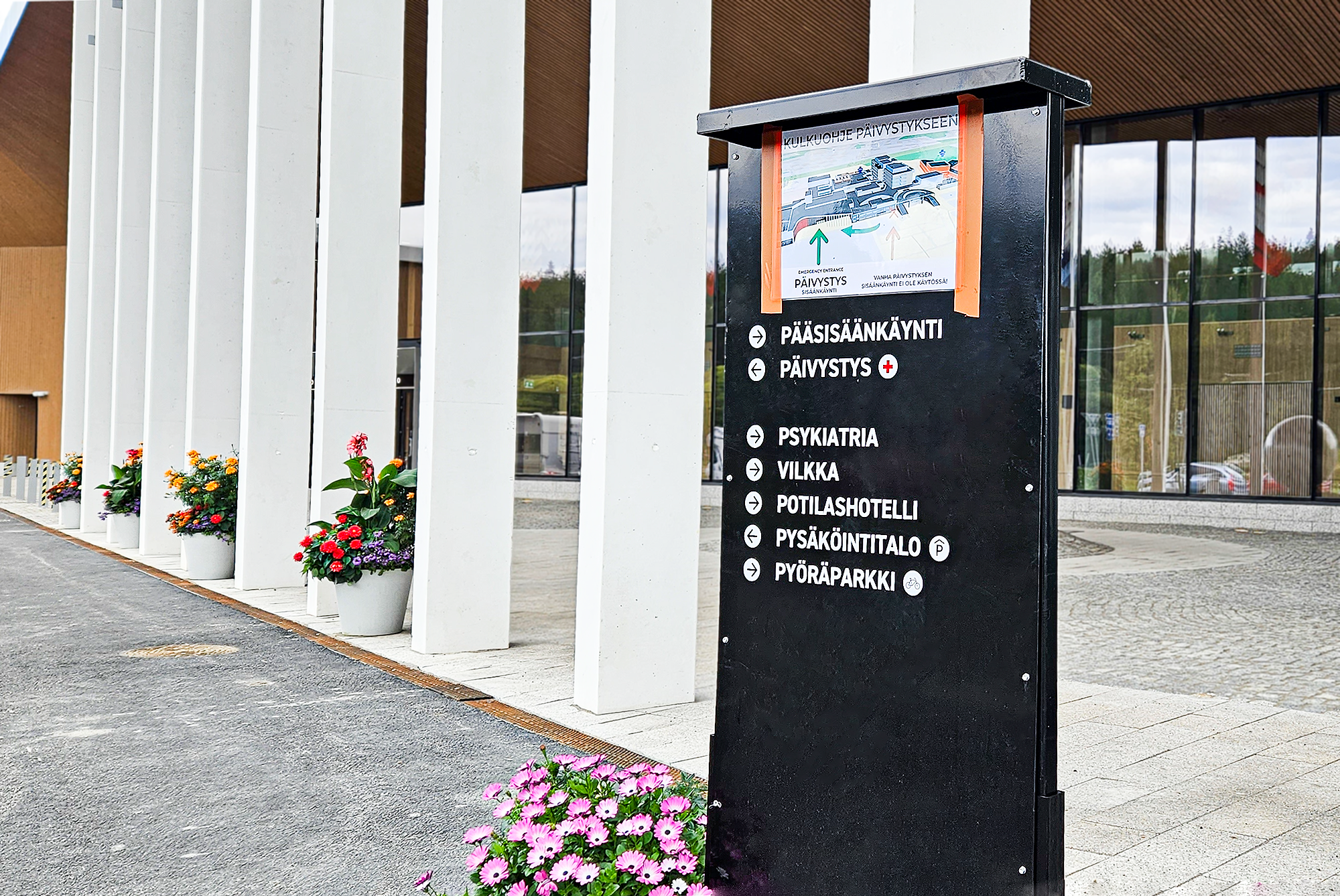
Accurate data is the foundation for operational management in emergency departments. When digital tools generate insights from every stage of the care path, resources can be allocated correctly and peak hours predicted based on facts. Reporting is not just retrospective; it is a tool to remove operational bottlenecks in real time.
Topics: patient flow management Axel system patient experience treatment path healthcare resource planning digitalization in healthcare automation emergency unit reporting analytics Axel Encounter Axel Planner resource optimization resource planning
3 minutes
The role of automation in emergency departments post-triage
.png)
Healthcare digitalization plays a key role in solving the biggest challenge in emergency departments after triage: guiding patients smoothly to the next stage of care. Digital tools automate patient calling processes and waiting room communication, eliminating the need for staff to spend time searching for patients in lobbies and hallways. This improves patient throughput and gives healthcare professionals the peace of mind to focus on valuable clinical care
Topics: self-service Axel system mobile check-in patient experience treatment path self check-in self-service kiosk digitalization in healthcare automation self-service solution emergency unit triage Axel Encounter
5 minutes
How to enhance patient experience in emergency care with automation
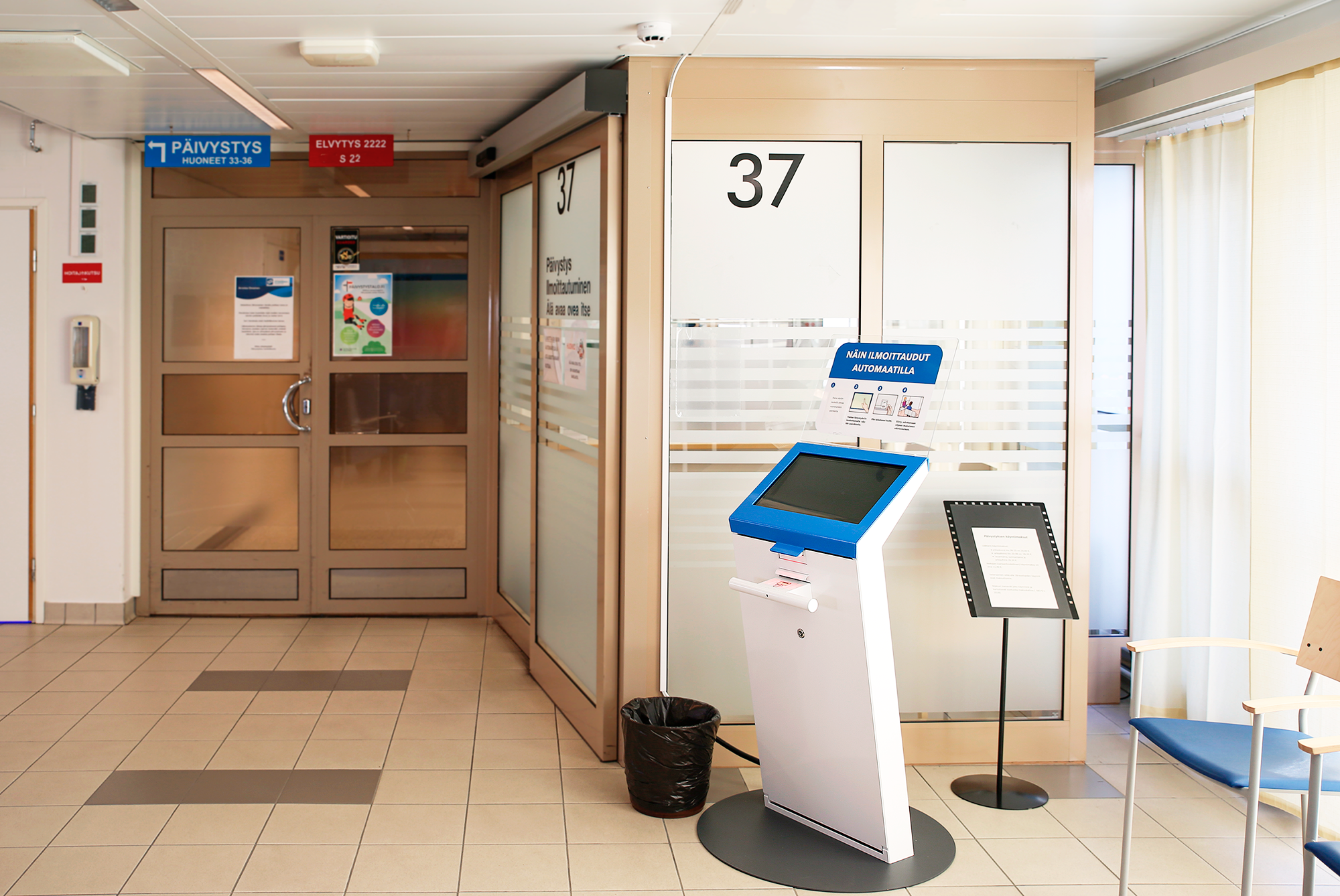
How can emergency unit visits be accelerated? Healthcare digitalization and automation provide the answer: they streamline patient flow, reduce manual work, and improve the patient experience by offering clear guidance from the entrance. Automation can reduce check-in times to an average of just 17 seconds, removing bottlenecks from critical care paths.