.png)
Healthcare digitalization plays a key role in solving the biggest challenge in emergency departments after triage: guiding patients smoothly to the next stage of care. Digital tools automate patient calling processes and waiting room communication, eliminating the need for staff to spend time searching for patients in lobbies and hallways. This improves patient throughput and gives healthcare professionals the peace of mind to focus on valuable clinical care
The challenge after triage: How to manage patient flow effectively?
Automation in hospital emergency departments brings significant benefits to both patients and healthcare professionals. However, these benefits are not limited to triage. Automation also provides significant advantages in the processes that follow this initial evaluation. In the first part of this blog series, we discussed how automation enhances emergency check-in and how the patient experience in emergency care is improved. In this blog post, we delve deeper into how automation can streamline operations and improve patient experience post-triage.
Patient self-guidance: Less searching, more focused work
After the need for care has been evaluated, the true potential of automation in hospital emergency departments starts to become apparent. The self-direction of patients to the treatments, imaging, or sampling can significantly reduce the workload of staff and improve the patient experience. Axel provides tools to streamline this process.
5 steps to a smoother post-triage process with Axel Encounter
1 - Directing the patient to the next step: After the triage process is completed, the healthcare professional can create a treatment path for the patient in Axel Encounter's Professional’s view. The patient is guided to the correct waiting lobby based on the need for care.
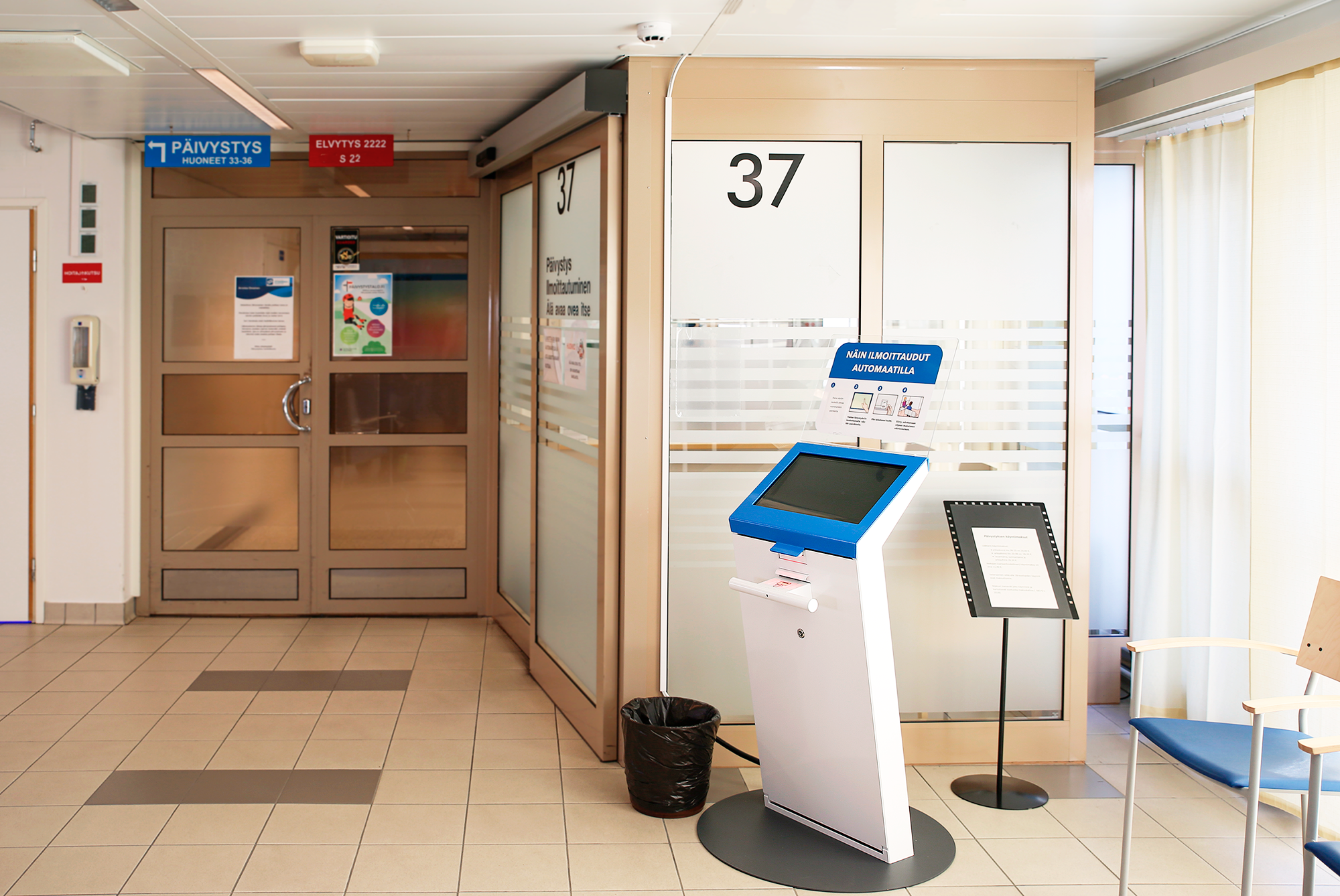
2 - Waiting time: The patient moves to the waiting lobby to wait. They no longer need to check in again at the kiosk or by phone. This reduces unnecessary queuing in waiting lobbies and improves patient experience.
3 - Calling the patient in: When it's the patient's turn, the healthcare professional calls the patient in from the Professional’s view. This means that the staff don’t have to look for or call for the patient in the corridors.
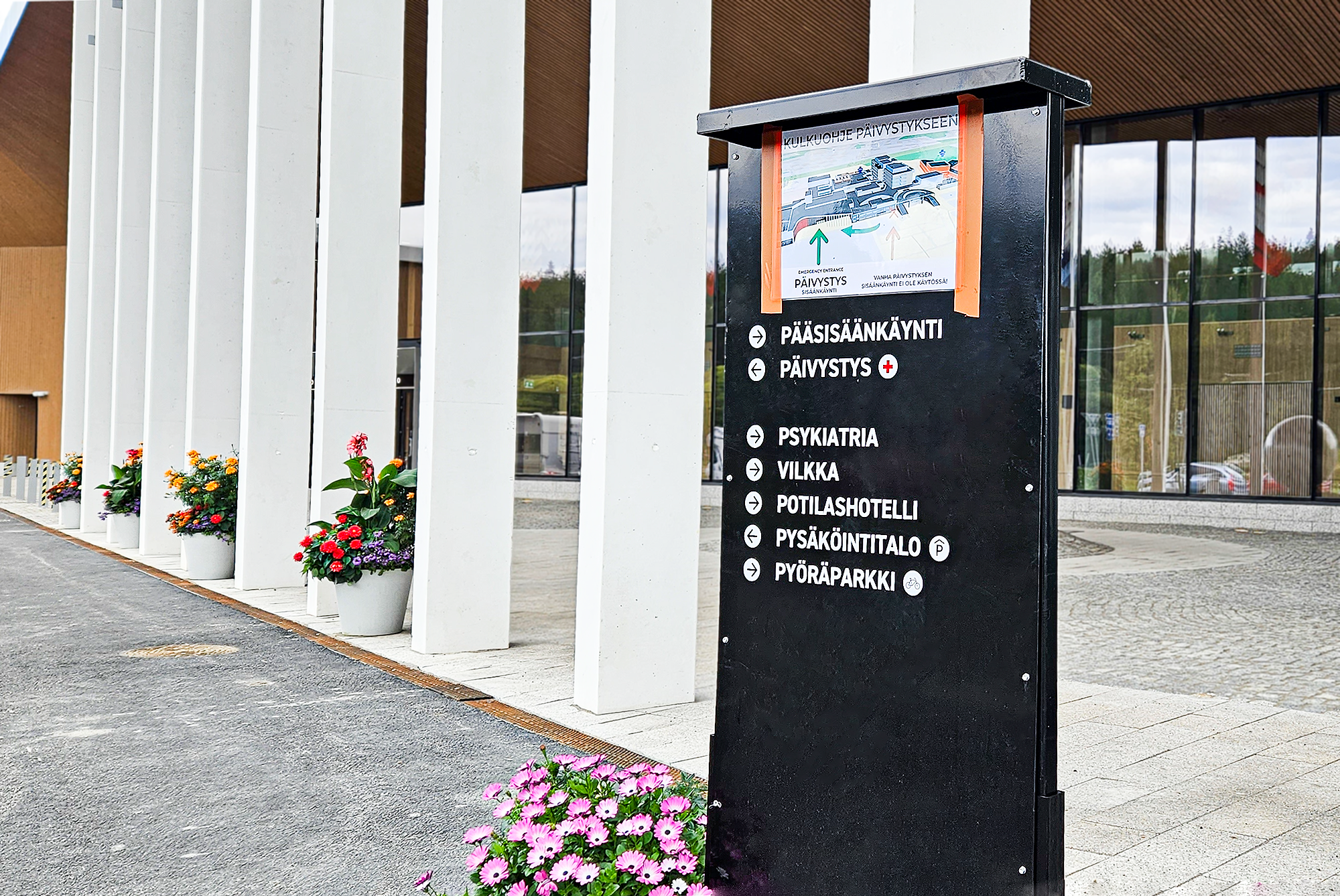
4 - Guidance to the right location: The patient sees the call in on info displays, door displays, or their own phone and moves to the correct location with the help of signs.
5 - Treatment, sampling, or imaging: The patient visits the treatment room, sampling, or imaging as per their treatment path. After each step, the patient returns to the lobby to wait for the next call in.
A streamlined care process benefits both patients and professionals
The use of automation in the post-triage care process not only streamlines emergency department operations but also improves the patient experience, as the patient can move independently in the hospital environment and receive the information they need in real-time. In addition, automation allows healthcare professionals to focus on patient care and reduces routine tasks such as directing and searching for patients in different places. A smoother and more efficient care process is therefore in everyone's interest. Axel is a significant part of this development, and we eagerly look forward to the benefits it brings to emergency operations. Axel offers an efficient and cost-saving way to streamline emergency operations, improve patient experience, and free up staff to do what they do best – care for patients.
In the last part of this blog series, we discuss why accurate data and reporting are essential for operational management in the emergency departments.